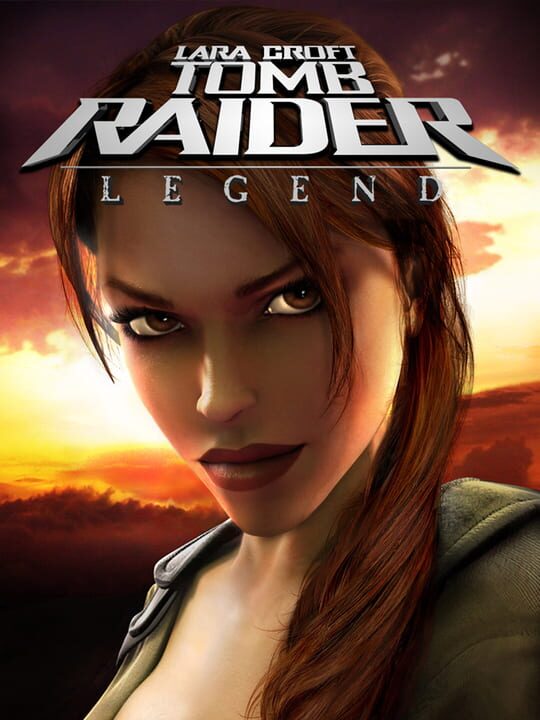
Tomb Raider: Legend
Main Game
RELEASED
7.5
7 de abr. de 2006
Xbox 360PC (Microsoft Windows)+2byCrystal Dynamics•Eidos Interactive
Visão Geral:|
{"overview":"
Tomb Raider: Legend é um jogo de ação-aventura em terceira pessoa, lançado em 2006, que reinicia a saga com uma nova Lara Croft. O foco é a exploração de ambientes perigosos, resolução de quebra-cabeças ambientais e combate. A jogabilidade destaca-se pela mobilidade acrobática aprimorada, permitindo saltos, mergulhos e escaladas fluidas. A história envolve Lara na busca por um artefato sul-americano, confrontando a antropóloga rival Amanda Evert. É ideal para quem aprecia aventura clássica com foco em travessia e mistério.
","tokens":{"input":2339,"output":140,"total":2479}}{"overview":"
\nEste título de ação e aventura, lançado originalmente em 2006, representa uma reinvenção significativa da aclamada franquia, sendo o sétimo jogo principal da série. Desenvolvido pela Crystal Dynamics, este capítulo introduz uma nova encarnação da icónica protagonista, Lara Croft, mantendo a exploração em terceira pessoa e a resolução de quebra-cabeças que definem a série. Os jogadores podem esperar uma mistura de sequências de ação intensas e travessia ambiental através de locais globais diversos e frequentemente traiçoeiros.\n
\n\nMecânicas e Jogabilidade Central
\nO ciclo de jogabilidade foca-se na navegação por ambientes complexos, na resolução de quebra-cabeças intrincados para desbloquear novos caminhos e no envolvimento em confrontos de combate. Um foco chave desta iteração é a mobilidade aprimorada. Lara Croft já não está limitada por restrições de movimento rígidas; os jogadores beneficiam de uma travessia mais fluida e acrobática. Isto inclui correr, mergulhar, nadar, escalar diversas superfícies como postes e telhados, utilizar tirolesas, e executar ações como saltos mortais e cambalhotas para atravessar terrenos difíceis.
\n\nQual é o foco da exploração nesta aventura?
\nA exploração exige que os jogadores utilizem toda a gama de habilidades de movimento de Lara para atravessar paisagens desafiadoras. O progresso é frequentemente bloqueado por quebra-cabeças ambientais que precisam de ser resolvidos para abrir novas áreas ou revelar segredos escondidos. A atmosfera combina mistério antigo com aventura de alto risco, à medida que os jogadores se aprofundam em ruínas e locais esquecidos.
\n\nPremissa da História
\nA narrativa começa com Lara Croft na busca por uma relíquia sul-americana significativa. No entanto, a sua expedição muda rapidamente de rumo ao encontrar uma figura do seu passado: a antropóloga renegada Amanda Evert. Presumida morta anos antes num acidente numa tumba peruana — um incidente do qual Lara foi a única sobrevivente — Amanda reapareceu com uma agenda clara. Tanto Lara como Amanda encontram-se numa corrida contra o tempo, juntamente com o sombrio James Rutland Jr., para garantir um artefato antigo e poderoso.
\n\nDisponibilidade de Plataformas e Conteúdo
\nEste título principal foi lançado para Xbox 360, PC (Microsoft Windows), PlayStation 3 e OnLive Game System. Como um lançamento principal e independente, não apresenta conteúdo para download (DLCs) ou expansões oficiais.
\n\nO que define esta experiência de reinício?
\nEste jogo é definido pela sua integração bem-sucedida de elementos de aventura clássica com controlos modernos e responsivos, permitindo uma maior sensação de liberdade no movimento e na interação com o ambiente, estabelecendo uma nova base para a jornada da personagem.
","tokens":{"input":2529,"output":677,"total":3206}}Game Details
Primary Name: Tomb Raider: Legend
Alternative Names:
Tomb Raider 7 (Alternative spelling)
Lara Croft: Tomb Raider - Legend (Alternative spelling)
古墓奇兵:不死傳奇 (Chinese title - traditional)
古墓丽影:传奇 (Chinese title - simplified)
Tomb Raider - Легенда (Russian title)
Tomb Raider: Legenda (Polish title)
TR Legend (Acronym)
Type: Main Game
Series: Tomb Raider: Legend
Developer: Crystal Dynamics
Publisher: Eidos Interactive, Square Enix, Crystal Dynamics
Engine: Crystal Engine
Release Information
Release Date: abr. 7, 2006
Genres & Themes
Genres: Shooter, Platform, Adventure
Themes: Action
Platforms
Xbox 360PC (Microsoft Windows)PlayStation 3OnLive Game System
Game Modes
Perspective: Third person
Player Modes: Single-player
Game Modes: Single player
Age Ratings
ESRB:T (Teen)
PEGI:16+
CERO:B (12+)
USK:16+
CLASS_IND:16+
ACB:PG (Parental Guidance)
Mild violence



 Soren
Soren