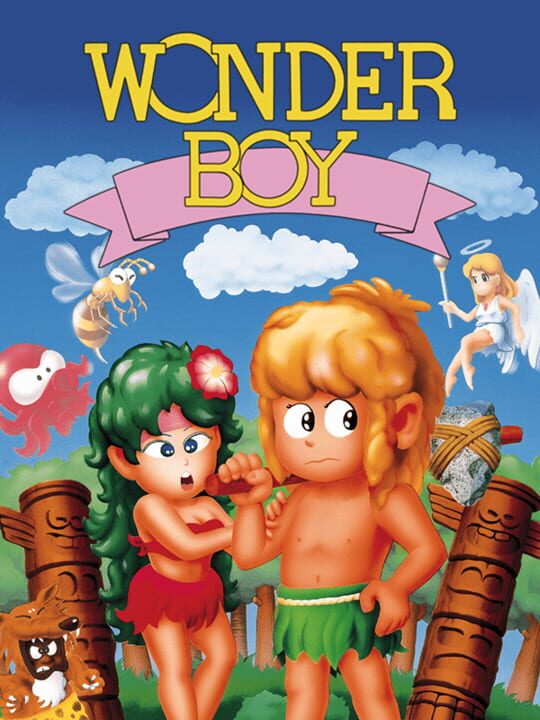
Wonder Boy
Main Game
RELEASED
6.8
3 mar 1986
ArcadebyEscape•Sega Enterprises, Ltd.
Przegląd:|
{"overview":"
Wonder Boy to klasyczna platformówka zręcznościowa z 1986 roku, gdzie wcielasz się w bohatera pędzącego przez kolorowe etapy, by uratować porwaną ukochaną. Kluczowym elementem rozgrywki jest ciągły ruch i zarządzanie tykającym licznikiem czasu, co wymusza szybkie podejmowanie decyzji. Mechanika opiera się na bieganiu i skakaniu, z możliwością zdobywania tymczasowych ulepszeń, np. osi, zwiększających siłę ataku. Unikalną cechą jest nacisk na tempo, a nie eksplorację, oraz system utraty ulepszeń zamiast natychmiastowej śmierci po otrzymaniu obrażeń. Gra doczekała się kilku remake'ów.
","tokens":{"input":2145,"output":182,"total":2327}}{"overview":"
\nTo jest fundamentalna gra platformowa zręcznościowa wydana w 1986 roku, która zapoczątkowała długą serię tytułów w świecie gier. Pierwotnie wydana na automaty arcade, ta produkcja zanurza graczy w żywej, dynamicznej przygodzie skupionej na ratunku i przetrwaniu. Atmosferę charakteryzują jasne, kolorowe otoczenia kontrastujące z wymagającą rozgrywką, która jest ograniczona czasowo i wymaga precyzji oraz szybkich reakcji.\n
\n\nPodstawowe Doświadczenie Rozgrywki
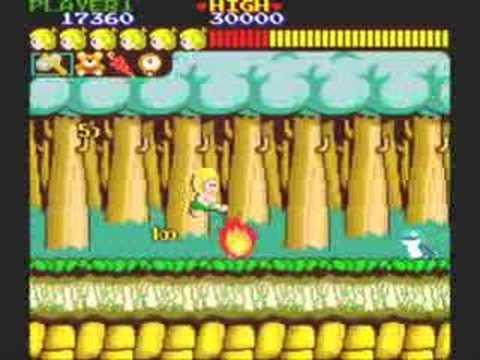
\n\nGłównym celem w tej grze jest przemierzanie serii odrębnych poziomów, z których każdy stawia przed graczem unikalne zagrożenia środowiskowe i rozmieszczenie przeciwników. Gracz kontroluje protagonistę, który musi pokonywać te etapy, zanim wyczerpie się widoczny licznik czasu, co dodaje stałą presję do każdego skoku i ruchu.\n\nRdzeń mechaniki opiera się na bieganiu, skakaniu i wykorzystywaniu prostych, ale skutecznych narzędzi ofensywnych. Główna postać na początku posiada ograniczone zdolności, ale postęp często wiąże się ze zdobywaniem tymczasowych ulepszeń, które wzmacniają możliwości ataku, na przykład poprzez rzucanie toporami lub innymi pociskami, co pozwala na bardziej wszechstronną walkę z napotkanymi wrogami.
\n\nCo wyróżnia tę grę na tle innych platformówek?
\n\nCharakterystyczną cechą tego tytułu jest jego zależność od ścisłego limitu czasu wymaganego do ukończenia etapu. W przeciwieństwie do wielu współczesnych gier, gdzie priorytetem była eksploracja, ta produkcja wymusza na graczu ciągły ruch naprzód. Ponadto, gra wprowadziła wczesną formę zarządzania zdrowiem, gdzie otrzymanie obrażeń często skutkuje utratą kluczowego ulepszenia zamiast natychmiastowej śmierci, co zachęca do ochrony wzmocnionego stanu postaci.
\n\nŚwiat i Fabuła
\n\nZałożenie fabularne jest proste: bohater musi ścigać się z czasem, aby uratować porwaną ukochaną osobę. Ta pilna misja popycha gracza przez zróżnicowane środowiska, od bujnych terenów zewnętrznych po bardziej niebezpieczne obszary przypominające jaskinie. Atmosfera jest energetyczna, napędzana potrzebą utrzymania tempa przy jednoczesnym opanowywaniu wyzwań platformowych narzucanych przez projekt poziomów.\n\nDostępność Zawartości
\n\nJako klasyczna główna gra z połowy lat 80. XX wieku, tytuł ten został wydany bez dodatkowej zawartości do pobrania (DLC) czy ekspansji.\n\nRemaki i Wznowienia
\n\nTrwały urok tej oryginalnej koncepcji zaowocował wieloma reinterpretacjami na przestrzeni lat. Obecnie istnieją dwa oficjalnie uznane remaki tego podstawowego doświadczenia dostępne na różnych platformach, co świadczy o jego trwałym wpływie na projektowanie gier.
\n\nJakie mechaniki są kluczowe dla osiągnięcia sukcesu?
\n\nSukces zależy od opanowania pędu ruchu i efektywnego zarządzania licznikiem czasu na ekranie. Gracze muszą szybko uczyć się schematów zachowań wrogów, ponieważ zatrzymanie się do walki często kosztuje cenne sekundy. Zbieranie określonych przedmiotów rozrzuconych po etapach jest kluczowe, ponieważ przedmioty te często przyczyniają się do wydłużenia ogólnego limitu czasu lub zapewniają niezbędne przewagi defensywne przeciwko coraz trudniejszym przeszkodom.
","tokens":{"input":2337,"output":915,"total":3252}}Game Details
Primary Name: Wonder Boy
Alternative Names:
Wonderboy (Alternative spelling)
Type: Main Game
Series: Wonder Boy
Developer: Escape
Publisher: Sega Enterprises, Ltd.
Release Information
Release Date: mar 3, 1986
Genres & Themes
Genres: Platform, Arcade
Themes: Action
Platforms
Arcade
Game Modes
Perspective: Side view
Player Modes: Single-player
Game Modes: Single player, Multiplayer
Age Ratings
ESRB:E (Everyone)
 Soren
Soren