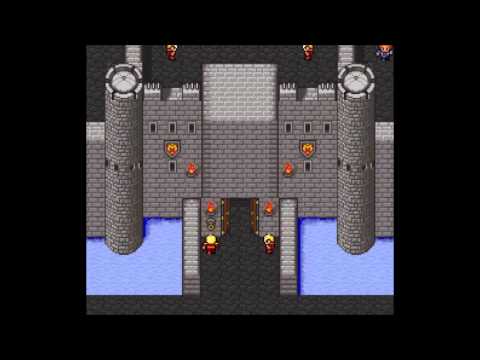
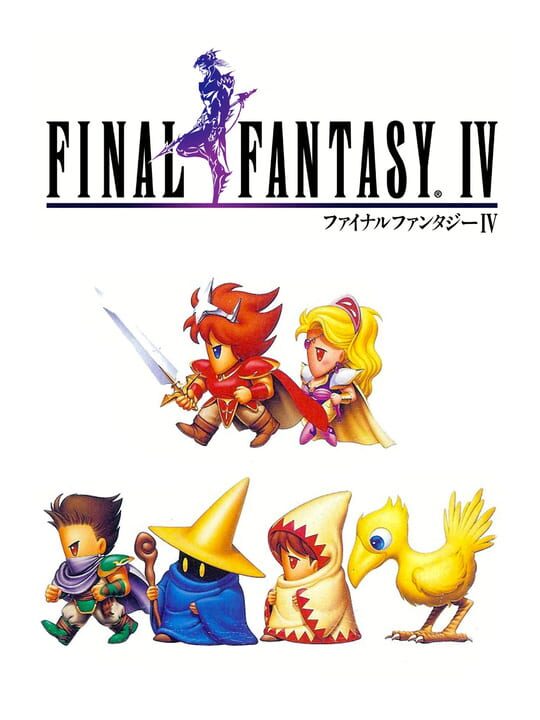
Soren에서 알려드립니다. '파이널 판타지 IV'는 1991년에 처음 출시된 정통 롤플레잉 어드벤처 게임의 네 번째 메인 타이틀입니다. 이 게임의 핵심은 탐험, 캐릭터 성장, 그리고 시리즈에 큰 진전을 가져온 ATB(Active Time Battle) 시스템을 활용한 전략적인 턴제 전투에 있습니다. 플레이어는 의무, 배신, 구원이라는 주제를 중심으로 전개되는 영화 같은 서사를 따라가며, 운명에 얽힌 영웅들의 이야기를 경험하게 됩니다. 이 작품은 이후 리메이크와 리마스터를 통해 여러 플랫폼에서 재발매되었으며, 별도의 DLC 없이 핵심 스토리에 집중된 경험을 제공합니다.
","tokens":{"input":2277,"output":167,"total":2444}}이 롤플레잉 장르의 주요 작품으로서, 게임플레이 순환은 탐험, 캐릭터 성장, 그리고 전략적인 턴제 전투를 중심으로 이루어집니다. 플레이어는 마을, 던전, 오버월드 맵 등 다양한 환경을 탐색하며 비플레이어 캐릭터(NPC)와 상호작용하여 중심 줄거리를 진행합니다.
\n\n본 작품을 정의하는 특징 중 하나는 시리즈의 표준 전투 메커니즘에 상당한 발전을 가져온 전투 시스템입니다. 전투 시퀀스는 액티브 타임 배틀(ATB) 시스템을 활용합니다. 이 시스템은 실시간 요소와 턴 기반 의사 결정을 혼합하여, 공격, 마법 사용, 또는 특수 능력 발동과 같은 명령을 내리기 전에 캐릭터의 준비 게이지를 관리해야 합니다.
\n\n캐릭터 성장은 축적된 경험치를 통해 기본 능력치를 향상시키는 전통적인 레벨 시스템을 통해 관리됩니다. 더불어, 각 캐릭터는 파티 내에서 자신의 역할을 규정하는 고유한 내재 능력이나 직업을 가지고 있습니다. 활성 파티 구성을 관리하는 것은 중요한데, 이는 만남에 대해 다양한 전술적 접근 방식을 해제하기 때문입니다.
\n\n이 타이틀은 이전 작품들에 비해 캐릭터 중심적인 서사 접근 방식 덕분에 주목할 만합니다. 이야기는 주요 출연진의 내적 갈등과 관계에 중점을 두어, 원소 힘의 조작과 관련된 광범위한 갈등에 대해 보다 개인적인 이해관계를 제공합니다.
\n\n게임의 구조는 선형적이고 영화 같은 스토리 진행을 강조하며, 플레이어의 행동에 따라 변화하는 플레이 가능 캐릭터 로스터를 형성하는 중대한 순간들을 안내합니다. 정의된 출연진과 그들의 서사에 대한 이러한 집중은 당시 롤플레잉 게임의 서사적 깊이를 위한 중요한 진전이었습니다.
\n\n이 메인 게임은 초기 출시 이후 여러 버전과 업데이트를 거쳤습니다. 현재 Wii U 및 New Nintendo 3DS와 같은 플랫폼에서 이용 가능하며, 최신 레거시 하드웨어에서 핵심 경험에 접근할 수 있도록 합니다.
\n\n추가 콘텐츠와 관련하여, 이 타이틀은 다운로드 콘텐츠(DLC)나 주요 확장을 포함하고 있지 않습니다. 초점은 완전히 독립적인 메인 스토리 경험에만 맞춰져 있습니다.
\n\n네, 이 게임은 여러 하드웨어 세대에 걸쳐 업데이트된 표현으로 콘텐츠를 제공하기 위해 완전한 리메이크와 리마스터를 모두 경험했습니다.
","tokens":{"input":2471,"output":827,"total":3298}}
What if the King of Baron had banished Joanna rather than Cecilia? That Kluya meets Joanna, the two fall in love, and they have a son and a daughter? And that, after tragedy strikes, this daughter ends up been abandoned in the woods… only to be found and raised by the King? A single ripple becomes a wave that sends a pair of lovers down vastly different life paths. Cecil, the White Wizard. Rosa, the Dark Knight. This is her story–one of redemption from the darkness within. 'Final Fantasy IV: Daughter of Darkness and Light' is a fork of the 'Project II: Final Fantasy IV' hack. Not only does it include the bugfixes, restoration of missing content and revised script of the latter mod, but it also an alternate story with Rosa Farrell as the protagonist.

The original Final Fantasy IV comes to life with completely new graphics and audio! A remodeled 2D take on the fourth game in the world-renowned Final Fantasy series! Enjoy the timeless story told through charming retro graphics.

This is a complete hack of Final Fantasy 4 (2 US) for SNES which shows off many of the features of the hacking utility, FF4kster. There are a few assembly hacks which cannot be achieved within the editor alone, but they are few in number and mostly for cosmetic purposes. It may seem at first that the changes are limited to gameplay and the plot is unchanged, but don’t worry, there is a point in the plot after which it branches from the original and begins an entirely new chain of events.

Final Fantasy IV - Ultima is a ‘deluxe’ version of Final Fantasy II for the SNES. This hack adds a bunch of additions to the base game while keeping the majority of the main story intact and the feel of FF2US the same. List of features, additions and changes: - Party Swapping among 11 different members at Endgame!! - Dark Knight Cecil now available at endgame!! - A Full-Featured Bestiary!! A Brand New Title Screen! - A VERY Challenging BOSS RUSH Mode unlocked at endgame!! - New Game+ mode with higher MAX level/stats!! - 58 New Weapons! Including Magically Imbued Weapons! - 62 New Spells/Summons! Also revamped existing spells! - 38 New Bosses! Brand New Boss at Endgame with Randomized AI! - New Achievements Feature at: https://retroachievements.org/game/1072 - New Status ‘Aura/Color’ for buffs/ailments during battle!! - Damage Limit increased to 14999! Can turn Encounters On/Off! - New Areas! New Side Quests! New and Upgradable Commands!! - New Optional Patches for Alternate Sprites and Palette! - New Enemy Graphics! New Events! New Endgame Scenarios! - New Equipment/Spell Menus with DETAILED info!! - New attack/swing/spell animations! - New weapon graphics!! New sound effects! New items!! - New maps, new areas and new edits to overworld maps! - New events! New enemies!! Sprint with the Y button!! - New commands for characters. New Armors and Gears! - Revamped shops/equipment and balanced their progression. - Dark Knight Cecil now dual-wields and is 2-handed!! - Edge is now buffed offensively! Can steal Rare items! - Rydia has new summons! - Cecil has been buffed as a tank. - Rosa can use more combative gears and new spells. - Kain has various new spells and commands. - Yang, Edward, Palom, Porom and others have also been buffed! - Lots of secrets that can lead to early acquirement of better equipment! - Few minor tweaks to the base game such as save points, etc.

This version of Final Fantasy IV released as part of Final Fantasy IV: The Complete Collection includes many of the features introduced in the Advance version such as the Bestiary, Music Player and bonus dungeons, whilst also incorporating a number of changes and features exclusive to other ports. The opening FMV returns from the 3D Remake's Nintendo DS port as well as new 3D cinematic cutscenes. There is an option to switch between the original Super Famicom or the arranged 3D Remake versions of the soundtrack. It also includes an auto-battle feature for the first time as well as other gameplay changes. An Art Gallery containing illustrations by Yoshitaka Amano has also been added.

A mobile phone port of Final Fantasy IV that was released for different mobile platforms in Japan only. It includes a whole new "EX Dungeon", a redesigned version of the Lunar Ruins with a number of story changes, and new items introduced in Final Fantasy IV: The After Years.

FINAL FANTASY IV is a 3D remake of the classic Japanese RPG that was first released for SNES as FINAL FANTASY II in the North America. Unlike the many subsequent ports (to Playstation, GameBoy Advance, etc.), this release is a full remake, programmed from scratch with real-time 3D graphics. The characters have a "super-deformed" touch. There is also voice acting during cut-scenes. A new option has been added to the menu, which allows the player to read a conversation between party members and receive advice from them. It also features many gameplay additions. The difficulty level has been increased, not only beyond the difficulty of the Western SNES release (which was reduced compared to Japanese original and subsequent ports), but even beyond the original difficulty. The party members are still bound by class, but they can now hunt for so-called "augments", which can be found or stolen from enemies and which grant the characters additional bonus abilities, resistances, spells that their class would normally not allow, etc. Beside those major changes, there are also plenty of minor additions. It is possible to obtain bonus items after exploring every corner and filling 100% of an area map; Rydia, the summoner girl, has a new monster summon who can be customized in various ways; there is a new quest involving the "naming" moogle of the original game, etc.

Final Fantasy IV Advance is largely based on the WonderSwan Color version. Some changes include the addition of character portraits in text boxes, the ability to switch party members, increased difficulty, and new dungeons with new items and weapons along with new bosses. The script received a re-translation more faithful to the original material. The Quicksave, which allows the player to save the current position (regardless of where) in a file that is deleted upon loading, is featured.

A port of Final Fantasy IV for WonderSwan Color released only in Japan. It is largely based on the PlayStation port while lacking its FMVs and having a decreased screen resolution, and down-sampled music and sound effects to meet the specifications of the device. The WonderSwan Color port introduces a number of graphical enhancements to character sprites and backgrounds by providing additional details and color shading. The original character portraits were replaced with new, smaller portraits. Also, certain boss sprites were changed to those featured in the Japanese Easy Type version of the Super Famicom game. The game features a revamped difficulty different from both the original and the Easy Type versions.

A port of Final Fantasy IV for PlayStation that adds an opening and ending FMV cutscene as well as some gameplay improvements such as the ability to run in dungeons and towns. It is largely based on the original Japanese release for the Super Famicom but includes some of the changes made in the Final Fantasy IV Easy Type release. Due to the CD-ROM format of PlayStation it has longer load times in comparison to the Super Famicom versions. The North American version, which is only available as part of the Final Fantasy Chronicles and Final Fantasy Anthology compilations, came with a brand new English localization. Although certain translated lines from the previous localization by Kaoru Moriyama, such as "You spoony bard!", were kept, as they had become fan favorites.

The fourth entry in the Final Fantasy series was released as Final Fantasy II in the West, because the second and the third games were not released there at the time. The game is a Japanese-style RPG with top-down world map navigation, automatic leveling up, and random enemy encounters.

The original Final Fantasy IV was altered in several regards to reduce the difficulty level for Final Fantasy IV Easy Type, a version exclusive to Japan. Various spells, abilities and items were removed or altered, shop prices were lowered, and other tweaks to make the game easy were put in place. Many enemies, attacks and items were renamed. It is often thought the original North American translation was a translation of Easy Type, but the translated version was developed before Easy Type, and the difficulty is reduced further in Easy Type than in the North American version. This led to speculation that Easy Type was based on the North American Final Fantasy II rather than vice versa. Another aspect Easy Type changed is some of the text, which was simplified to make it easier for younger Japanese players to read and to help bring the point of certain comments across more clearly. For example, when Palom clears the fire on Mt. Ordeals with his Blizzard spell and brags about it, Porom reminds him that the Elder of Mysidia taught them they should not be haughty. The word for "haughty" was replaced with the word for "arrogant", as "haughty" is not a common word in an average child's vocabulary.