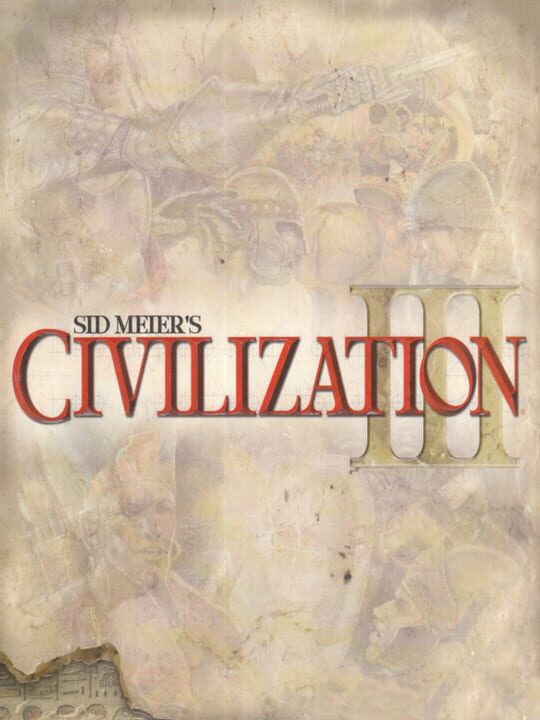
Sid Meier's Civilization III
Main Game
RELEASED
8.0
30 ott 2001
PC (Microsoft Windows)MacbyFiraxis Games•MacSoft Games
Panoramica:|
{"overview":"
Sid Meier's Civilization III, uscito nel 2001, è un gioco di strategia a turni dove guidi un impero dalla storia antica fino all'era moderna. Il gameplay si concentra sulla gestione di città per produrre risorse, sviluppare tecnologie e costruire meraviglie. Devi bilanciare infrastruttura, diplomazia, commercio e potere militare per assicurare la sopravvivenza e l'espansione della tua civiltà. L'esperienza richiede pianificazione strategica profonda e gestione olistica di tutti gli aspetti sociali e governativi.
","tokens":{"input":2234,"output":125,"total":2359}}{"overview":"
\nQuesto titolo, uscito originariamente nel 2001 per PC (Microsoft Windows) e Mac, rappresenta un capitolo fondamentale nel genere della strategia a turni. Il giocatore assume il comando di un'intera civiltà, con il compito di guidare il proprio popolo dall'alba della storia registrata fino all'era moderna e oltre. L'obiettivo centrale ruota attorno alla creazione e al nutrimento di un impero costruito su una rete di città, che fungono da fulcro per la generazione di risorse, la costruzione e il progresso tecnologico. Il successo richiede un attento bilanciamento tra molteplici ambiti critici: sviluppo infrastrutturale, gestione delle risorse, diplomazia, commercio, crescita culturale e potenza militare.\n
\n\nIl Ciclo di Gioco Fondamentale e la Gestione dell'Impero
\nIl ciclo di gioco primario si concentra sulla gestione e l'espansione delle città. I giocatori devono posizionare e sviluppare strategicamente i loro centri abitati per massimizzare la produzione delle risorse vitali necessarie alla crescita. Queste risorse alimentano la costruzione di miglioramenti urbani, la realizzazione di Meraviglie del Mondo monumentali, e il reclutamento e il mantenimento delle unità militari.
\n\nCome si gestisce l'Avanzamento Tecnologico e Culturale?
\nUna componente significativa dell'esperienza è la navigazione attraverso un albero tecnologico completo. L'avanzamento della conoscenza sblocca nuove capacità, unità ed edifici, modificando fondamentalmente la traiettoria della civiltà. Inoltre, il gioco incorpora un elemento culturale: l'influenza che si irradia dalle città stabilite espande i confini dell'impero e assicura il territorio circostante. È necessario bilanciare gli investimenti a lungo termine in scienza e cultura con le necessità immediate di difesa e sviluppo.
\n\nDiplomazia e Meccaniche Commerciali
\nL'interazione con le civiltà rivali è cruciale. I giocatori si impegnano in complesse negoziazioni diplomatiche, formando alleanze, dichiarando rivalità e stabilendo accordi commerciali. Gestire efficacemente queste relazioni internazionali può assicurare risorse vitali o prevenire conflitti costosi.
\n\nCosa distingue questo gioco nel suo genere?
\nIl titolo si distingue per la sua profonda attenzione all'interconnessione dei vari sistemi sociali. Non è un gioco focalizzato esclusivamente sulla conquista militare; richiede piuttosto un approccio olistico alla governance. I giocatori devono costantemente ponderare le esigenze immediate delle loro forze armate rispetto agli investimenti a lungo termine in scienza, infrastruttura e dominio culturale. L'infrastruttura di base, che include la gestione delle risorse e la pianificazione urbana, è intrinsecamente legata al successo militare e diplomatico.
\n\nContenuti Aggiuntivi Disponibili
\nSebbene il gioco base offra un'esperienza completa, questo titolo ha ricevuto due pacchetti di espansione ufficiali. Questi aggiungono ulteriore profondità e complessità alle meccaniche fondamentali, introducendo nuove funzionalità, unità e sfide all'arco storico coperto dal gioco.
\n\nCome si svolge l'esperienza di gioco?
\nEssendo un titolo di strategia a turni, il ritmo concede ai giocatori ampio tempo per considerare le proprie mosse, pianificare diversi turni in anticipo e reagire metodicamente al panorama globale in evoluzione. L'atmosfera è quella di una simulazione storica di vasta portata, dove ogni decisione, dalla scelta del luogo per una nuova città alla ricerca di una nuova forma di governo, ha conseguenze durature sul destino della civiltà.
","tokens":{"input":2426,"output":831,"total":3257}}Game Details
Primary Name: Sid Meier's Civilization III
Alternative Names:
Civ 3 (Acronym)
Civilization 3 (Abbreviation)
Civilization III (Abbreviation)
Civ III (Abbreviation)
Type: Main Game
Series: Civilization
Developer: Firaxis Games, Westlake Interactive
Publisher: MacSoft Games, Infogrames
Release Information
Release Date: ott 30, 2001
Genres & Themes
Genres: Simulator, Strategy, Turn-based strategy (TBS)
Themes: Educational, 4X (explore, expand, exploit, and exterminate), Fantasy, Historical
Platforms
PC (Microsoft Windows)Mac
Game Modes
Perspective: Bird view / Isometric
Player Modes: Single-player
Game Modes: Single player
Age Ratings
ESRB:E (Everyone)
 Soren
Soren