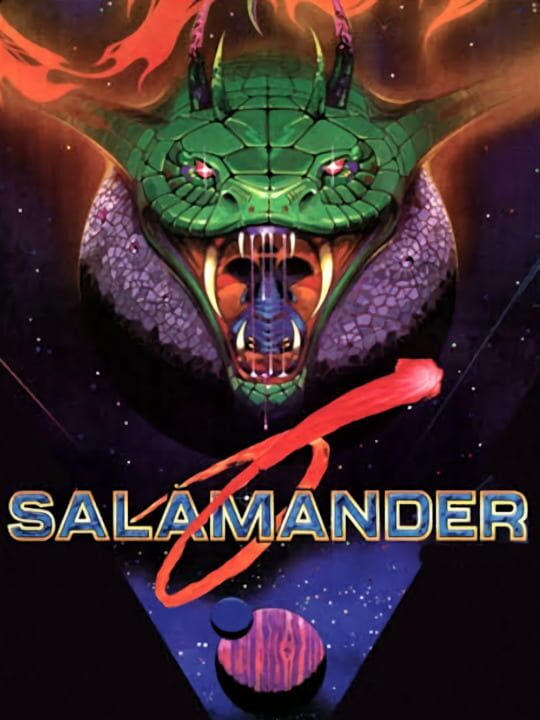
Salamander
Main Game
RELEASED
7.0
4 lug 1986
Sharp X68000ArcadebyKonami
Panoramica:|
{"overview":"
Salamander è uno sparatutto arcade classico del 1986, giocabile su piattaforme come Sharp X68000 e Arcade. Il gameplay principale consiste nel pilotare un'astronave attraverso livelli a scorrimento alternato, sia orizzontale che verticale. Introduce un sistema di potenziamenti semplificato e supporta il gioco cooperativo per due giocatori, meccaniche che hanno influenzato titoli successivi del genere.
","tokens":{"input":1915,"output":98,"total":2013}}{"overview":"
\n
\n\nQuesto è un classico sparatutto arcade, lanciato originariamente nel 1986, che ha portato azione frenetica sulle piattaforme Arcade e Sharp X68000. In quanto titolo principale del genere sparatutto, offre combattimenti aerei intensi e ad alta posta in gioco attraverso ambienti variegati.
\nMeccaniche di Gioco Fondamentali
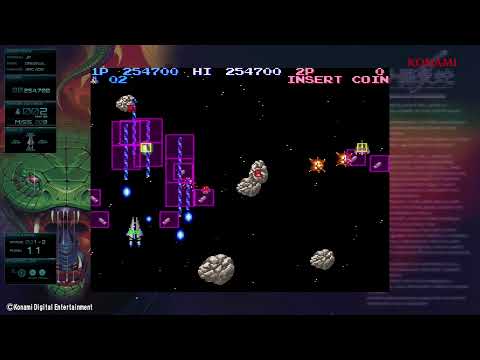
\nL'esperienza centrale ruota attorno al pilotaggio di un'astronave altamente personalizzabile attraverso ondate di forze nemiche. I giocatori devono navigare attraverso livelli che cambiano dinamicamente tra prospettive di scorrimento orizzontale e verticale, richiedendo un costante adattamento nel movimento e nella strategia.
\n\nUna caratteristica distintiva di questo titolo è il suo approccio ai potenziamenti. Rispetto ad altri giochi del genere, presenta un sistema di potenziamento semplificato, snellendo il processo di miglioramento delle capacità della propria nave pur mantenendo profondità nel combattimento.
\n\nFunzionalità Cooperativa
\nQual è il modo principale per vivere questo gioco?
\nUn elemento significativo del gameplay è l'inclusione del gioco cooperativo per due giocatori. Questo permette a due piloti di fare squadra simultaneamente, coordinando attacchi e difese contro l'incessante assalto nemico, aggiungendo un livello di collaborazione alla sfida arcade.
\n\nVarietà e Design dei Livelli
\nIl gioco è strutturato attorno a livelli distinti che alternano la direzione di scorrimento. Questa scelta di design assicura che i giocatori non possano fare affidamento su un unico schema di movimento, costringendoli a padroneggiare sia le manovre di scorrimento laterale sia i pattern di ascesa/discesa verticale.
\n\nContenuti e Stato Attuale
\nEssendo un titolo arcade principale uscito nel 1986, questo gioco rimane focalizzato sulla sua esperienza di base. Attualmente non sono associati pacchetti di contenuti scaricabili o espansioni a questa versione.
\n\nCosa definisce la sua eredità nel genere?
\nMolte delle innovazioni meccaniche introdotte qui, in particolare i livelli a scorrimento alternato e la struttura dei potenziamenti snellita, sono diventate in seguito elementi fondamentali adottati dalle successive iterazioni di franchise sparatutto correlati.
","tokens":{"input":2109,"output":573,"total":2682}}Game Details
Primary Name: Salamander
Alternative Names:
沙羅曼蛇 (Chinese title - simplified)
Type: Main Game
Series: Salamander
Developer: Konami
Publisher: Konami
Release Information
Release Date: lug 4, 1986
Genres & Themes
Genres: Shooter, Arcade
Themes: Action, Science fiction
Platforms
Sharp X68000Arcade
Game Modes
Perspective: Side view
Player Modes: Offline Co-op, Campaign Co-op, Split Screen, Multiplayer
Game Modes: Single player, Co-operative, Split screen
Age Ratings
ESRB:E (Everyone)
CERO:A (All Ages)

 Soren
Soren