
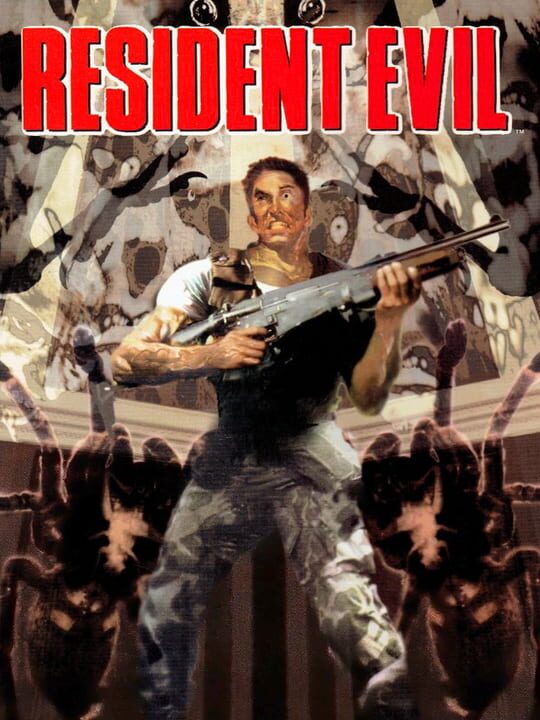
Resident Evil
Main Game
RELEASED
7.8
22 mar 1996
PlayStationbyCapcom Planning Room 2•Capcom
Panoramica:|
{"overview":"
Resident Evil è un classico del 1996, un'avventura che ha definito il genere survival horror. Nei panni degli agenti S.T.A.R.S., esplori una magione infestata da zombie e mutanti per scoprire la verità su un'infezione. Il gameplay si basa sull'esplorazione tesa, la gestione limitata delle risorse e la risoluzione di enigmi, utilizzando telecamere fisse che aumentano il senso di vulnerabilità. Disponibile su PlayStation e PC, questo titolo è noto per aver coniato il termine \"survival horror\" focalizzandosi sulla sopravvivenza più che sul combattimento diretto.
","tokens":{"input":2404,"output":146,"total":2550}}{"overview":"
\n
\n\nQuesto è un titolo d'avventura fondamentale del 1996 che ha definito un'esperienza di genere. I giocatori vestono i panni dei membri dell'élite delle forze speciali S.T.A.R.S., inviati a indagare sulla scomparsa del Team Bravo vicino a Raccoon City. Dopo un incontro improvviso e terrificante, gli agenti superstiti sono costretti a cercare rifugio all'interno di una vasta magione isolata. Questa location si rivela rapidamente un labirinto brulicante di non morti e altri orrori mutati, costringendo i sopravvissuti a scoprire i segreti oscuri dietro una rapida infezione.
\nL'esperienza centrale ruota attorno all'esplorazione tesa, alla gestione delle risorse e alla risoluzione di enigmi sotto minaccia costante. Il gioco è stato originariamente lanciato su piattaforme come PlayStation e PC (Microsoft Windows).
\nMeccaniche di Gioco Fondamentali e Atmosfera
\n\nIl gioco utilizza uno stile visivo distintivo, caratterizzato da personaggi 3D poligonali ambientati su sfondi 2D pre-renderizzati dettagliati. Questa scelta estetica contribuisce in modo significativo all'atmosfera, poiché l'azione è vista attraverso angolazioni di telecamera fisse e predeterminate anziché tramite un sistema di telecamera in tempo reale a movimento libero. Questa prospettiva controllata aumenta la tensione, poiché i giocatori spesso non sono a conoscenza dei pericoli che si nascondono appena fuori dall'inquadratura corrente.
\nLa sopravvivenza dipende dalla gestione attenta dell'inventario – decidere quali oggetti limitati portare con sé – e dalla navigazione metodica attraverso le stanze interconnesse della magione. Il ciclo di gioco principale si concentra sull'esplorazione di aree precedentemente inaccessibili, sulla raccolta di chiavi e oggetti essenziali per progredire, e sul combattimento tattico contro nemici lenti ma letali.
\n\nCosa rende questo titolo unico nel genere Avventura?
\nQuesto capitolo è ampiamente accreditato per aver coniato e reso popolare il termine \"survival horror\". La sua enfasi è meno sul combattimento diretto e più sulla creazione di un ambiente di terrore e vulnerabilità prolungati. I giocatori devono conservare munizioni e oggetti curativi scarsi, mentre ricostruiscono la narrazione attraverso indizi ambientali e documenti sparsi per la tenuta. L'atmosfera è densa di suspense, privilegiando l'evasione e la ritirata strategica rispetto al confronto aggressivo.
\n\nLa Trama: L'Inizio dell'Incubo
\nLa storia prende il via il 24 luglio 1998, quando una serie di bizzarri omicidi spinge il dipartimento di polizia di Raccoon City a inviare la squadra S.T.A.R.S. per indagare. Dopo aver perso i contatti con il Team Bravo, l'Alpha Team viene inviato sul posto. Trovato l'elicottero precipitato del Team Bravo, i membri superstiti (tra cui Chris Redfield, Jill Valentine, Albert Wesker e Barry Burton) sono costretti a trovare rifugio in una vicina magione abbandonata. Diventa presto chiaro che la struttura è un luogo infernale dove i non morti e altre creature terrificanti attendono nell'oscurità.
\n\nStato Attuale e Contenuti
\nEssendo un gioco fondamentale, l'esperienza principale rimane intatta attraverso le sue varie riedizioni. Non sono associati a questa versione del gioco principale pacchetti di contenuti scaricabili (DLC) o espansioni ufficiali. È importante notare che questa versione originale del 1996 ha visto il rilascio di almeno un rifacimento (remake) negli anni successivi, che offre una reinterpretazione moderna dell'ambientazione e delle meccaniche.
","tokens":{"input":2594,"output":905,"total":3499}}Game Details
Primary Name: Resident Evil
Alternative Names:
RE: Biohazard (Alternative spelling)
Resident Evil Archives: Resident Evil (Alternative spelling)
RE (Acronym)
生化危机 (Chinese title - simplified)
惡靈古堡 (Chinese title - traditional)
Biohazard (Japanese title - romanization)
Type: Main Game
Series: Resident Evil
Developer: Capcom Planning Room 2
Publisher: Capcom, Virgin Interactive Entertainment
Release Information
Release Date: mar 22, 1996
Genres & Themes
Genres: Shooter, Puzzle, Adventure
Themes: Action, Horror, Survival
Platforms
PlayStation
Game Modes
Perspective: Third person
Player Modes: Single-player
Game Modes: Single player
Age Ratings
ESRB:M (Mature)
PEGI:18+
USK:18+ (Adults Only)
CLASS_IND:18+ (Adults Only)


 Soren
Soren