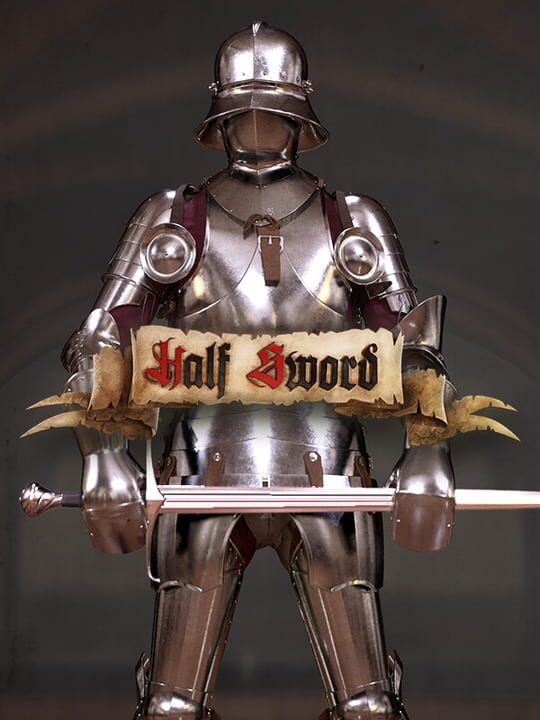
Performance and optimization are the top priorities for Half Sword right now. Following the Early Access launch, the developers at Half Sword Games have stepped up to address community feedback regarding technical stability and the noticeable shift in combat feel compared to the original tech demo.
If you have been following Half Sword since its early days on Itch, you likely noticed that the weight and locomotion of the fighters have evolved significantly. The developers explained that the current combat system is built on a unified dynamic physics engine that differs from the older builds. This transition is why the momentum and weapon handling feel distinct; it is a move toward a more complex simulation of XV-century warfare rather than the static animations seen in more traditional RPGs.
Regarding performance, the team is actively working to ensure the game runs across a broader range of hardware configurations. Physics-based simulators are notoriously CPU-heavy, and the current focus is on refining how the engine handles these calculations without sacrificing the visceral gore and impact mechanics that define the experience.
The developers also clarified that the recent Early Access trailer was intended as a teaser for the game's atmosphere and potential, rather than a final checklist of day-one features. As development continues, fans can expect the following areas to see constant refinement:
- Weapon Handling: Ongoing balance passes to ensure historical accuracy and mechanical depth.
- Locomotion: Fine-tuning how physics-based movement interacts with different terrain and armor types.
- Optimization: Iterative updates to improve frame rates during high-intensity duels.
Ultimately, the meta of this medieval simulator is still in flux. For those seeking the most realistic melee experience possible, these growing pains are part of the process of building a truly physics-driven combat engine.
 Soren
Soren