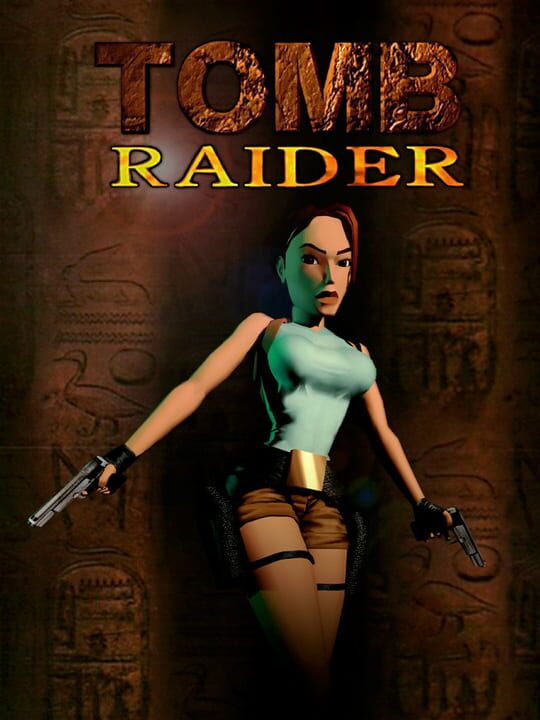
Tomb Raider
Main Game
RELEASED
8.1
24. Okt. 1996
Sega SaturnDOS+5byCore Design•Square Enix
Übersicht:|
{"overview":"
Als wegweisendes 3D-Action-Adventure lässt dieses Hauptspiel Spieler in die Rolle der Archäologin Lara Croft schlüpfen, die auf der Suche nach mächtigen Artefakten durch gefährliche, weitläufige Gräber reist. Der Kern des Gameplays kombiniert präzises Platforming und das Lösen komplexer Umgebungsrätsel mit Schusswechseln gegen wilde Tiere und Kreaturen. Die Geschichte dreht sich um die Bergung von Teilen des atlantischen Skions, wobei Lara ihrem Auftraggeber entgegentritt und Artefakte in Peru, Griechenland, Rom und Ägypten verfolgt. Das Spiel ist bekannt für seine herausfordernde Levelstruktur und gilt als wegweisend für das Genre, wobei es mehrere Remaster und Remakes für moderne Plattformen erhalten hat.
","tokens":{"input":2476,"output":176,"total":2652}}{"overview":"
\nDieses 3D-Actionspiel etablierte die ikonische Archäologin Lara Croft und gilt als wegweisender Titel seines Genres. Spieler übernehmen die Rolle von Croft, einer hochbegabten britischen Abenteurerin, die ursprünglich angeheuert wird, um ein mysteriöses Artefakt in einer Gruft in Peru zu bergen. Diese anfängliche Aufgabe entwickelt sich schnell zu einer weltweiten Jagd, die Lara zu antiken Stätten in Griechenland, Rom und Ägypten führt. Dort muss sie die verbleibenden Teile des mächtigen Atlantischen Skions finden, bevor diese in falsche Hände geraten. Die Atmosphäre des Spiels kombiniert die Erkundung weitläufiger, oft gefährlicher Ruinen mit Momenten intensiver Action und intellektuellen Herausforderungen.\n
\n\nKern-Gameplay und Mechaniken
\n\nDie zentrale Spielschleife dreht sich um die Navigation komplexer, mehrstufiger Umgebungen, die präzise Bewegung und Interaktion mit der Umgebung erfordern. Spieler müssen Lara durch verschlungene Gräber und gefährliche Schauplätze führen und dabei eine Reihe akrobatischer Manöver einsetzen.
\n\nWas sind die Hauptelemente des Gameplays?
\nDas Erlebnis ist eine deutliche Mischung aus drei primären Genres:
\n- \n
- Platforming: Präzises Springen, Klettern und Balancieren sind unerlässlich, um die oft tödliche Architektur der antiken Stätten zu überwinden. \n
- Rätsellösung: Der Spielfortschritt wird häufig durch Umgebungsrätsel blockiert, die Beobachtungsgabe, das Finden von Gegenständen und das Bedienen von Mechanismen innerhalb der Ruinen erfordern. \n
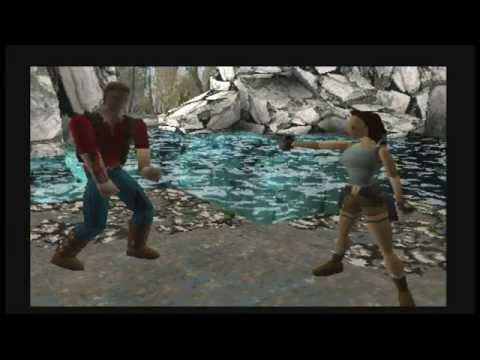
- Shooter-Action: Lara muss sich gegen gefährliche Wildtiere und Kreaturen verteidigen, denen sie auf ihren Expeditionen begegnet, wobei sie ihre Zwillingspistolen als primäre Verteidigungsmittel nutzt. \n
Das Ziel in jedem Abschnitt ist es, Schätze und Artefakte zu lokalisieren, was letztendlich zur nächsten Phase der Suche nach den Skion-Fragmenten führt. Der Fokus liegt dabei stärker auf Erkundung und vorsichtiger Navigation als auf durchgehendem Kampf.
\n\nSetting und Atmosphäre
\n\nDas Spiel etabliert einen Ton des isolierten Abenteuers inmitten alter, vergessener Orte. Die Atmosphäre ist geprägt von großen, offen gestalteten Level-Designs, die zu gründlichem Durchsuchen anregen. Spieler erkunden unterirdische Höhlen, zerfallende Tempel und verborgene Kammern, die im frühen 3D-Stil der Ära dargestellt sind.
\n\nPlattformverfügbarkeit und Inhalt
\n\nDieses ursprüngliche Hauptspiel wurde seit seiner Erstveröffentlichung auf verschiedenen Hardware-Generationen veröffentlicht. Zu den ursprünglichen Plattformen gehörten Sega Saturn, DOS und PC (Microsoft Windows), mit späteren Portierungen für die ursprüngliche PlayStation und Nintendo 64 sowie Handheld-Systeme wie die PlayStation Portable.
\n\nBezüglich zusätzlicher Inhalte enthält diese spezifische Hauptversion keine offiziellen herunterladbaren Inhalte (DLCs) oder Erweiterungen.
\n\nWas ist das Vermächtnis dieses einflussreichen Titels?
\nDieses Spiel wurde bei seiner Veröffentlichung von Kritikern hoch gelobt und erwies sich als äußerst einflussreich für die Entwicklung von 3D-Action-Adventure-Spielen. Sein Erfolg begründete eine bedeutende Medien-Franchise, die zu zahlreichen Fortsetzungen und verwandten Medienprojekten führte.
\n\nObwohl das Original ein Meilenstein bleibt, hat es mehrere moderne Interpretationen erfahren, darunter drei unterschiedliche Remakes und eine Remaster-Version, die es neuen Spielern ermöglicht, das Kernerlebnis mit unterschiedlicher grafischer Wiedergabetreue zu erleben.
","tokens":{"input":2670,"output":886,"total":3556}}Game Details
Primary Name: Tomb Raider
Alternative Names:
Tomb Raider 1 (Alternative spelling)
Tomb Raider featuring Lara Croft (Alternative spelling)
Tomb Raider I (Alternative spelling)
TR (Acronym)
古墓奇兵 (Chinese title - traditional)
古墓丽影 (Chinese title - simplified)
Tomb Raiders (Japanese title - romanization)
Tomb Raider starring Lara Croft (Alternative spelling)
TR1 (Alternative spelling)
TRI (Alternative spelling)
Type: Main Game
Series: Tomb Raider
Developer: Core Design
Publisher: Square Enix, Sony Computer Entertainment, Eidos Interactive
Engine: Core Design
Release Information
Release Date: Okt. 24, 1996
Genres & Themes
Genres: Shooter, Platform, Puzzle, Adventure
Themes: Sandbox, Action, Survival
Platforms
Sega SaturnDOSPC (Microsoft Windows)PlayStation 3PlayStation PortablePlayStationNintendo 64
Game Modes
Perspective: Third person
Player Modes: Single-player
Game Modes: Single player
Age Ratings
ESRB:T (Teen)
CLASS_IND:16+

 Soren
Soren