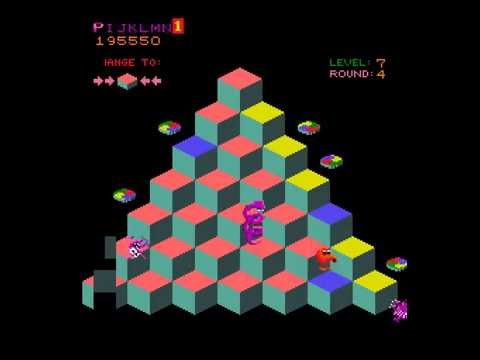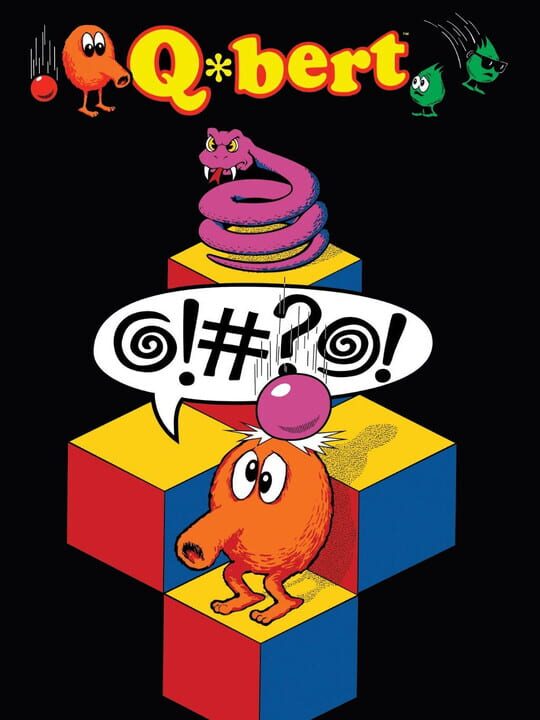
Q*bert je klasická arkádová plošinovka s prvky puzzle z roku 1982, kde ovládáte postavičku, jejímž cílem je změnit barvu všech kostek na pyramidě skákáním po nich. Hra je průkopníkem izometrického zobrazení pro iluzi 3D prostoru. Hráč musí pečlivě plánovat trasu a vyhýbat se nepřátelům, kteří se snaží skokana zastavit. Primárně se zaměřuje na precizní pohyb a přežití v rychle se ztěžujících sekvencích. Dostupný na platformách jako Arcade a PlayStation 3.
","tokens":{"input":2182,"output":153,"total":2335}}Pohyb je prováděn pomocí směrových skoků. Zatímco cíl je jednoduchý – změnit všechny barvy – obtížnost rychle narůstá kvůli zavedení různých antagonistických entit, které hlídají strukturu.
\n\nHra je pozoruhodná svým využitím izometrické grafiky k vytvoření iluze trojrozměrného prostoru na dvourozměrné rovině. Tento vizuální styl, připomínající koncepty jako Penroseovy schody, definoval její vzhled a pocit, čímž se odlišila od soudobých plošinovek s bočním posunem. Funguje v podstatě jako logická hra, kde je prostorové vnímání a načasování klíčové pro přežití.
\n\nAby se zabránilo hráči snadno dokončit cíl, jsou představeny různé typy nepřátel. Tito tvorové aktivně pronásledují postavu hráče po plochách kostek. Úspěšné vyhýbání se těmto hrozbám nebo jejich neutralizace při zachování postupu v úkolu změny barvy tvoří centrální napětí zážitku.
\n\nHra se vyznačuje přímým předpokladem bez hluboké narativní struktury, což je typické pro její arkádové kořeny. Důraz zůstává zcela na zvládnutí pohybových mechanik a přežití stále složitějších vzorců nepřátelských entit.
\n\nJako klasický arkádový titul tato hlavní hra neobsahuje žádný stahovatelný obsah (DLC) ani oficiální rozšíření vydaná pro tuto verzi. Nicméně, trvalá popularita tohoto konceptu vedla v průběhu let k několika následným předělávkám.
\n\nPůvodní iterace této hry byla vydána pro arkádové automaty. Moderní dostupnost zahrnuje porty dostupné na platformách jako je PlayStation 3.
","tokens":{"input":2372,"output":788,"total":3160}}
One of the most critically acclaimed and commercially successful arcade games of the 1980s is back in its Classic pixel perfect 2D form, and a re-imagined Reboot version with state of the art 3D game-play and graphics that remain faithful to the original concept.

Q*bert is a remake of the arcade game of the same name with three-dimensional (3D) graphics. It was developed by Artech Studios and released by Hasbro Interactive on the PlayStation and PC in 1999 and on the Dreamcast in 2000. Q*bert has 3 modes of play. Classic is like the original Q*bert, and the graphics can be changed from Retro to Modern. The Adventure mode takes Q*bert to 3D dimensions, and contains power ups and all new characters set in 4 worlds. Head to Head is a multiplayer mode.

Q*bert for Game Boy brings new challenges to the classic series.

NES port of Q*Bert.

Q*bert is a MSX game developed by Konami in 1986. Despite sharing the same name as the original, it has gameplay styled after Q*bert's Qubes. the title character being replaced by Wrappy (konami MSX research team mascot) that has draconic appearance with small eyes, a visible, expressive mouth, arms, purple skin, yellow spines, and a somewhat long tail.

Q*bert is an isometric platform game with puzzle elements where the player controls the titular protagonist from a third-person perspective. Q*bert starts each game at the top of a pyramid of cubes, and moves by jumping diagonally from cube to cube. Landing on a cube causes it to change color, and changing every cube to the target color allows the player to progress to the next stage.

Q*bert is an isometric platform game with puzzle elements where the player controls the titular protagonist from a third-person perspective. Q*bert starts each game at the top of a pyramid of cubes, and moves by jumping diagonally from cube to cube. Landing on a cube causes it to change color, and changing every cube to the target color allows the player to progress to the next stage.

Q*bert is an arcade game by Gottlieb. It was ported to the SG-1000 by Tsukuda Original, who marketed it for their Othello Multivision console. The objective of the game is to turn all the cubes on screen to a desired colour by moving Q*bert on top of them. Q*bert can only move in diagonals, and the player needs to be careful not to either send Q*bert off the edge or have him collide with enemies/obstacles. Occasionally cylindrical platforms appear on the edge of the screen, which when jumped on, will take Q*bert to the top. The SG-1000 port is a very bare-bones rendition of the game and is missing many elements seen in the arcade version. It is also much harder as the port sends out more enemies in the first few levels.

A handheld conversion of Q*Bert arcade game.

Q*bert is an isometric platform game with puzzle elements where the player controls the titular protagonist from a third-person perspective. Q*bert starts each game at the top of a pyramid of cubes, and moves by jumping diagonally from cube to cube. Landing on a cube causes it to change color, and changing every cube to the target color allows the player to progress to the next stage.

Q*bert is an isometric platform game with puzzle elements where the player controls the titular protagonist from a third-person perspective. Q*bert starts each game at the top of a pyramid of cubes, and moves by jumping diagonally from cube to cube. Landing on a cube causes it to change color, and changing every cube to the target color allows the player to progress to the next stage.

A handheld conversion of Q*Bert arcade game.

Q*bert is an isometric platform game with puzzle elements where the player controls the titular protagonist from a third-person perspective. Q*bert starts each game at the top of a pyramid of cubes, and moves by jumping diagonally from cube to cube. Landing on a cube causes it to change color, and changing every cube to the target color allows the player to progress to the next stage.

Q*bert is a popular arcade game. The goal is to change all of the tiles on a pyramid to the target color. To do this you guide Q*bert around the pyramid, and every tile he hops on will change color. On early levels, a single hop will change the tile to the desired color, but on later levels, you may need to hop on a tile multiple times or even avoid hopping on a tile multiple times! Trying to stop Q*bert are many different creatures wandering around the board, including Coily the snake, Slick and Sam, and falling balls. On the edge of the board are floating discs; if Q*bert jumps on one of these discs when the snake is in pursuit, the snake will fall off the board while Q*bert is safely transported to the top.

Q*bert is a popular arcade game. The goal is to change all of the tiles on a pyramid to the target color. To do this you guide Q*bert around the pyramid, and every tile he hops on will change color. On early levels, a single hop will change the tile to the desired color, but on later levels you may need to hop on a tile multiple times or even avoid hopping on a tile multiple times! Trying to stop Q*bert are many different creatures which wander around the board, including Coily the snake, Slick and Sam, and falling balls. On the edge of the board are floating discs; if Q*bert jumps on one of these discs when the snake is in pursuit, the snake will fall off the board while Q*bert is safely transported to the top.

A handheld conversion of Gottlieb's Q*Bert arcade game.

All the action and excitement of the popular arcade game are here! Hop Q*bert up and down a pyramid of cubes, changing colors on each of the cube tops. When they're all the same color, Q*bert moves to a new - and more difficult - pyramid. But strange characters want to stop Q*bert from his fanciful mission. You'll have to do some fast hopping in this quick and "quasy" game! 1 or 2 players.

Q*bert is an isometric platform game with puzzle elements where the player controls the titular protagonist from a third-person perspective. Q*bert starts each game at the top of a pyramid of cubes, and moves by jumping diagonally from cube to cube. Landing on a cube causes it to change color, and changing every cube to the target color allows the player to progress to the next stage.